





Artificial Intelligence
June 12, 2024

AI-powered email marketing uses artificial intelligence to choose who gets which email, when, and with what content. It drafts subject lines and copy, builds segments from customer data, picks the best send time, runs A/B tests and triggers emails from customer actions. AI agents go one step further and run whole campaigns, with a person approving what goes out.
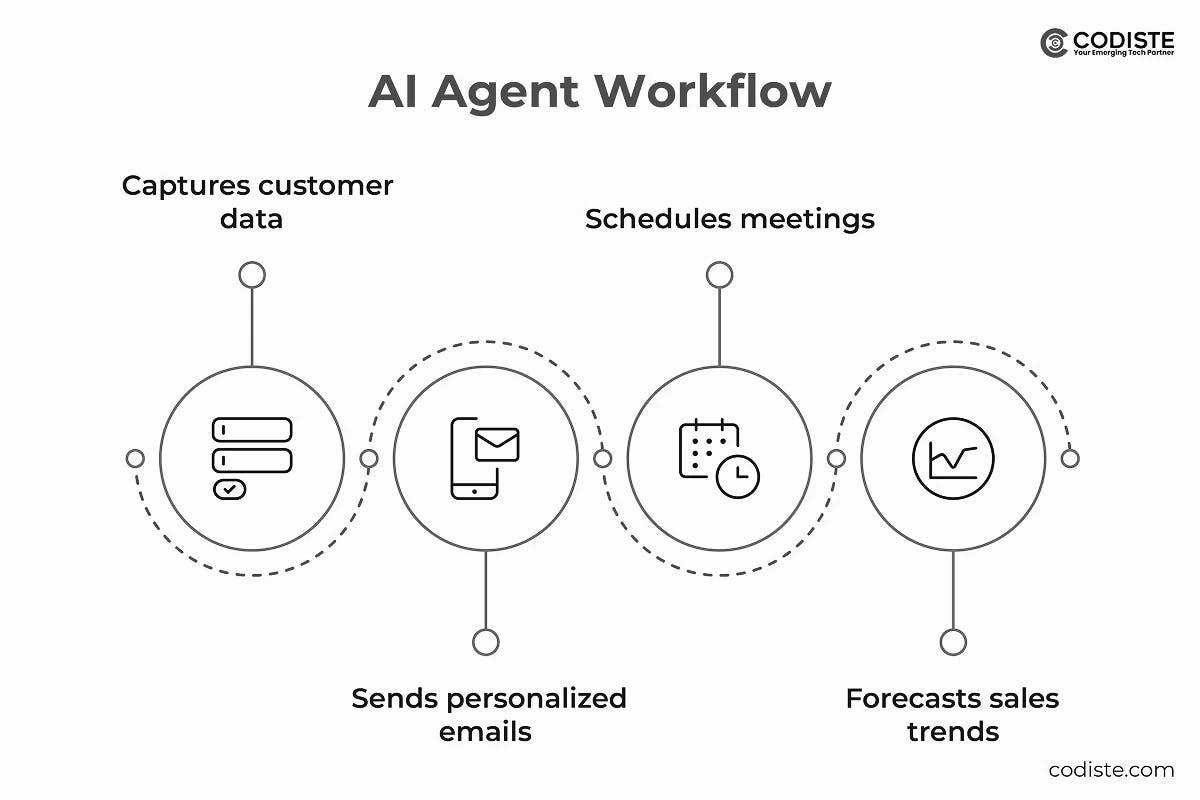
This guide compares manual and AI-powered email marketing, explains how AI improves each part of a campaign, lists the main tools with a feature checklist, and covers the deliverability rules every sender must follow.
In the past, email marketing was a manual task. Marketers grouped lists by hand, typed each message and sent emails in batches. Automation tools helped send more emails, but most were still impersonal.
AI changes this. It analyses customer data before sending, personalises subject lines, content and send times for each person, and learns from how people respond. The four main differences are below.
Manual: list exports and broad segments, built by hand. AI: segments and content chosen per person from live data, with contact details enriched and behaviour analysed automatically.
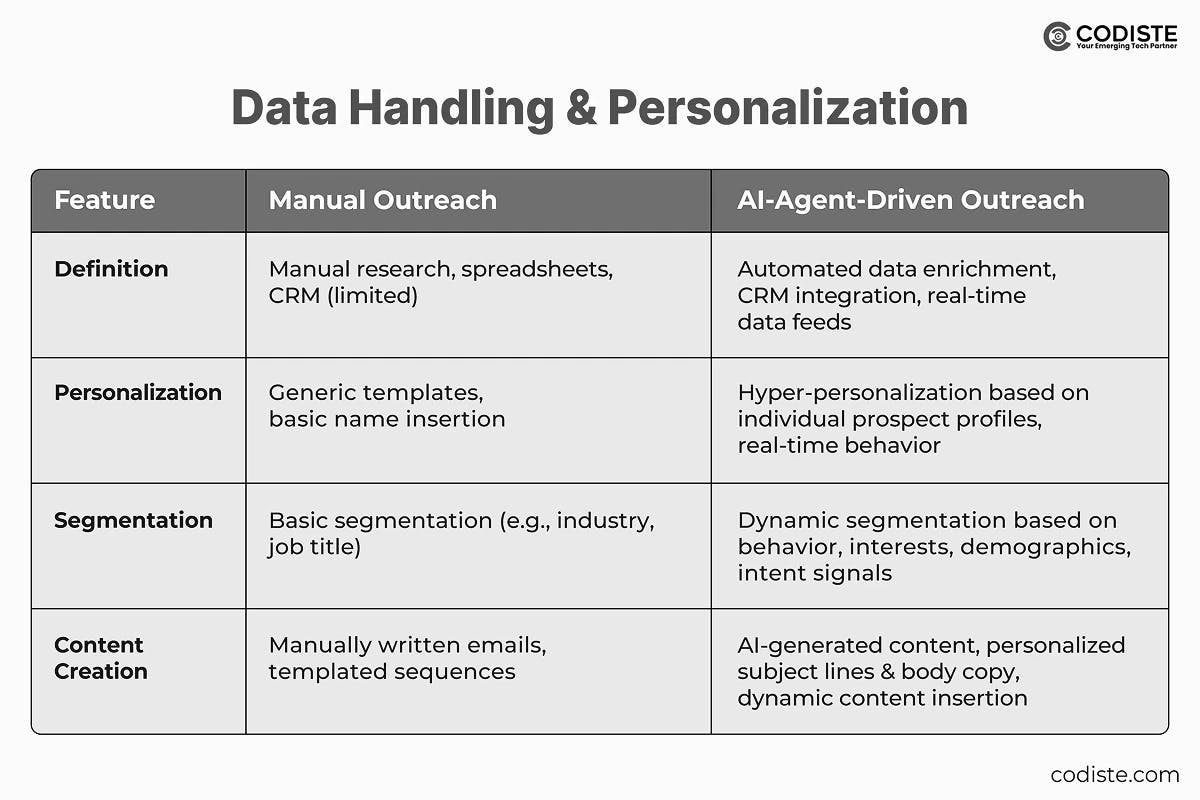
Manual: one version written by hand, slow to scale. AI: drafts and variants in minutes, edited by a person, and sent automatically at the right time.
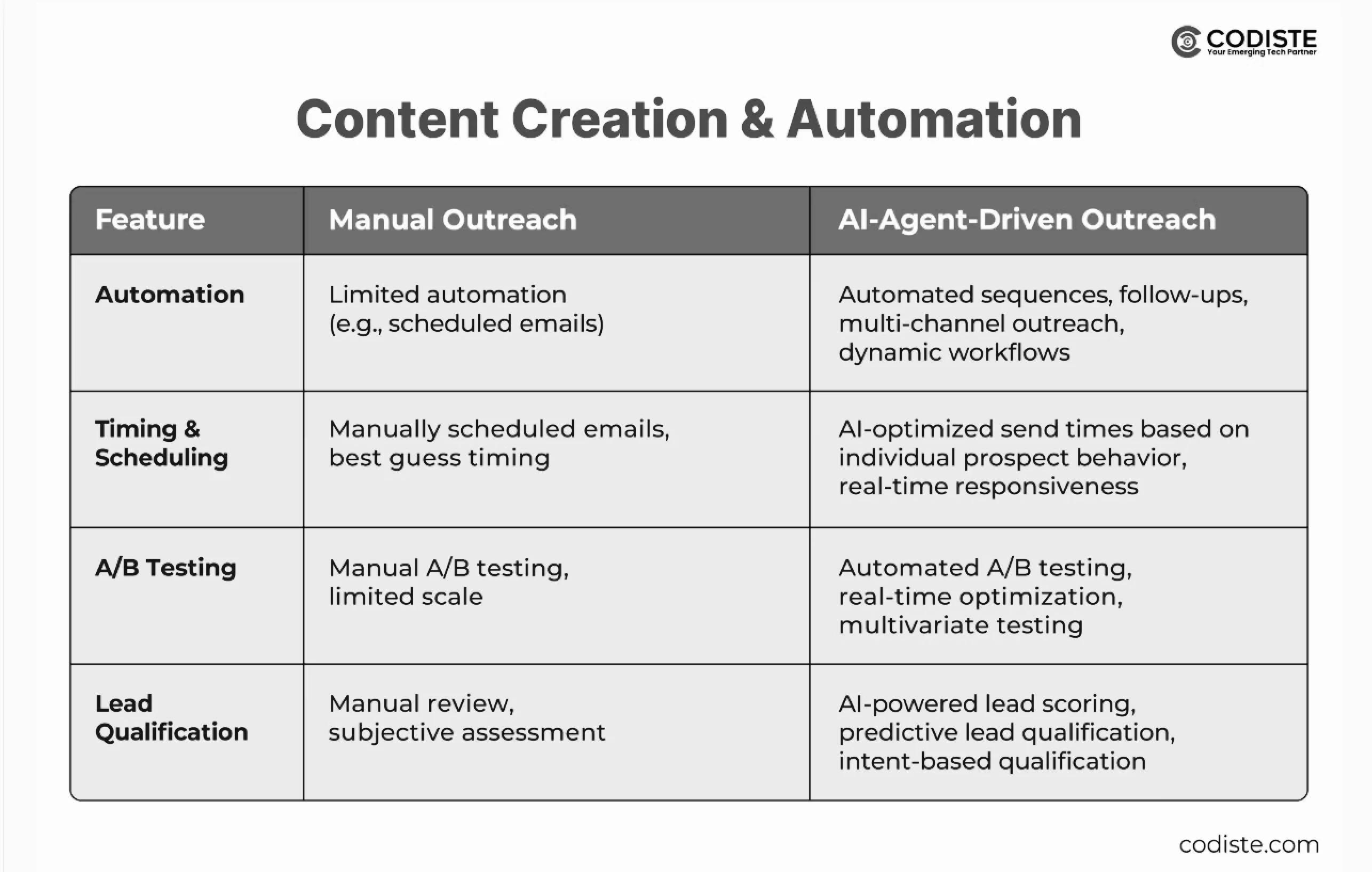
Manual: one A/B test at a time. AI: continuous testing of subject lines, content and send times, with winners applied automatically.
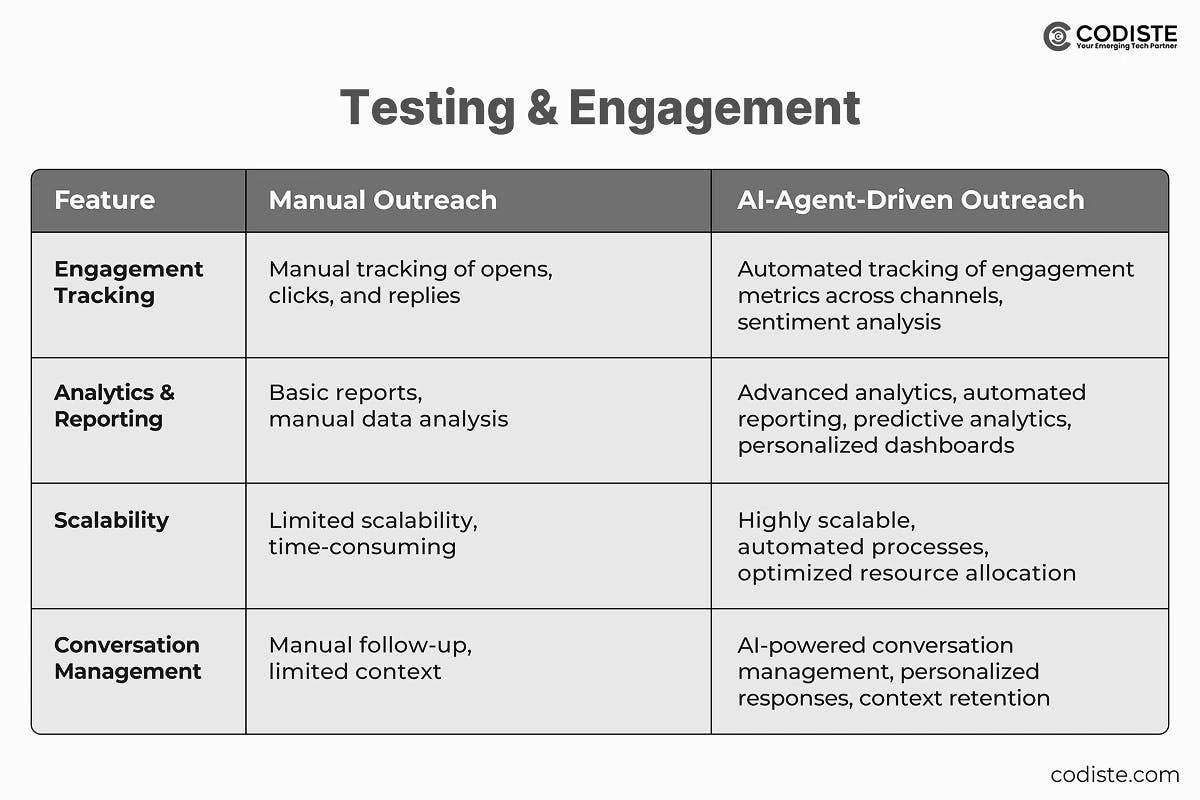
Manual: weekly reports and slow reactions. AI: daily insights and alerts, so you can fix a weak campaign while it is still running.
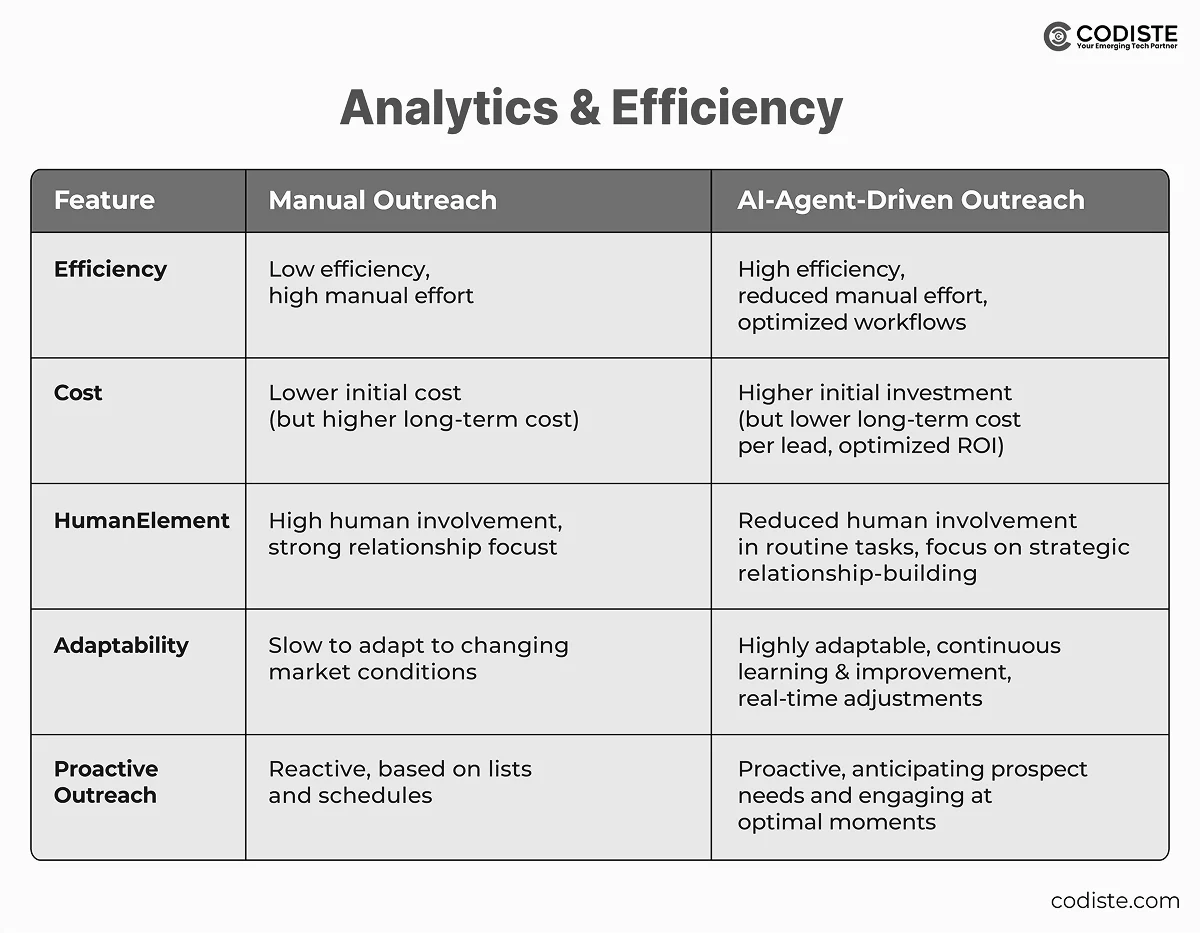
AI agents in email marketing campaigns help reach more people in the following ways:
The technology uses customer data, purchase history, and customer interactions to develop relevant and attractive emails. It examines the previous actions of a client to comprehend his/her likes and then creates the content. This, in turn, helps enterprises to send such emails which look personal and appealing.
AI can figure out the best moment to send emails by looking at when consumers open them. It evaluates the user activity and accordingly suggests the best sending time. As a result, the possibility of the fact that emails will be seen and read is higher.
AI creates customized email content, which is highly relevant to various consumer categories. It provides personalized information to bring forth relevant offers and product selections. Thus, each consumer gets the best-suited message.
These are AI-powered email outreach tools that automatically set follow-ups, so you can be sure that no leads are missed. They monitor user engagement and send reminders or offer additional information. This is one of the ways that helps hold potential customers' interest.
AI segmentation is a process in which AI sorts clients into categories based on things they like, who they are, and their engagement levels. This leads to focused and targeted communication. It connects these distinct groups with messaging, which makes people more likely to respond.
To find what works best, AI tests various subject lines and content formats. The advanced software tool quickly recognises the elements that yield high performance and applies this knowledge to other campaigns. So, it leads to a better email strategy. Using an email warmup process before sending these optimized emails in bulk can help ensure they get to the inbox instead of the spam bin.
Want to catch audience attention with AI email marketing strategy?
To succeed in AI-based email marketing, companies need to have several important parts:
AI employs this technology to understand and write emails that sound like they were written by a person. It checks the text to make sure that the message is natural and interesting. NLP is a great tool for AI since it lets it write emails that sound and feel like they came from a human person.
The use of these algorithms involves user behavior analysis and optimizing ai email marketing strategies. They learn from each interaction to improve future emails. This continuous learning on the part of the algorithms makes for better results in outreach.
The AI system uses customer data, such as data from customer relationship management (CRM) systems, to create detailed profiles and change how it communicates with customers to make their experiences more personal. The AI system is so smart that it even takes into account customers' demographic data, purchase history, and the products that they have liked. It enables better marketing to be precise, whereby an email is written uniquely for every customer.
Using AI email marketing tools, sales funnel stages can be set up as workflows. These workflows then help in leading the prospects step by step, beginning from the initial contact to the conversion. It is easier to manage outreach and is more efficient with this.
AI-powered chatbots are the lead nurturing assistants which are quick to respond to the customer's questions. They are the ones who give quick answers and help guide clients from the beginning to the end of their journey. This keeps the future leads active and well-informed.
Can you imagine a world where AI agents make real-time decisions for you?
The essence of personalized outreach is to get the emails to be appealing and to the point. In the broader context of digital marketing, email marketing artificial intelligence is contributing significantly to enhancing marketing strategies. The following is how AI is contributing:
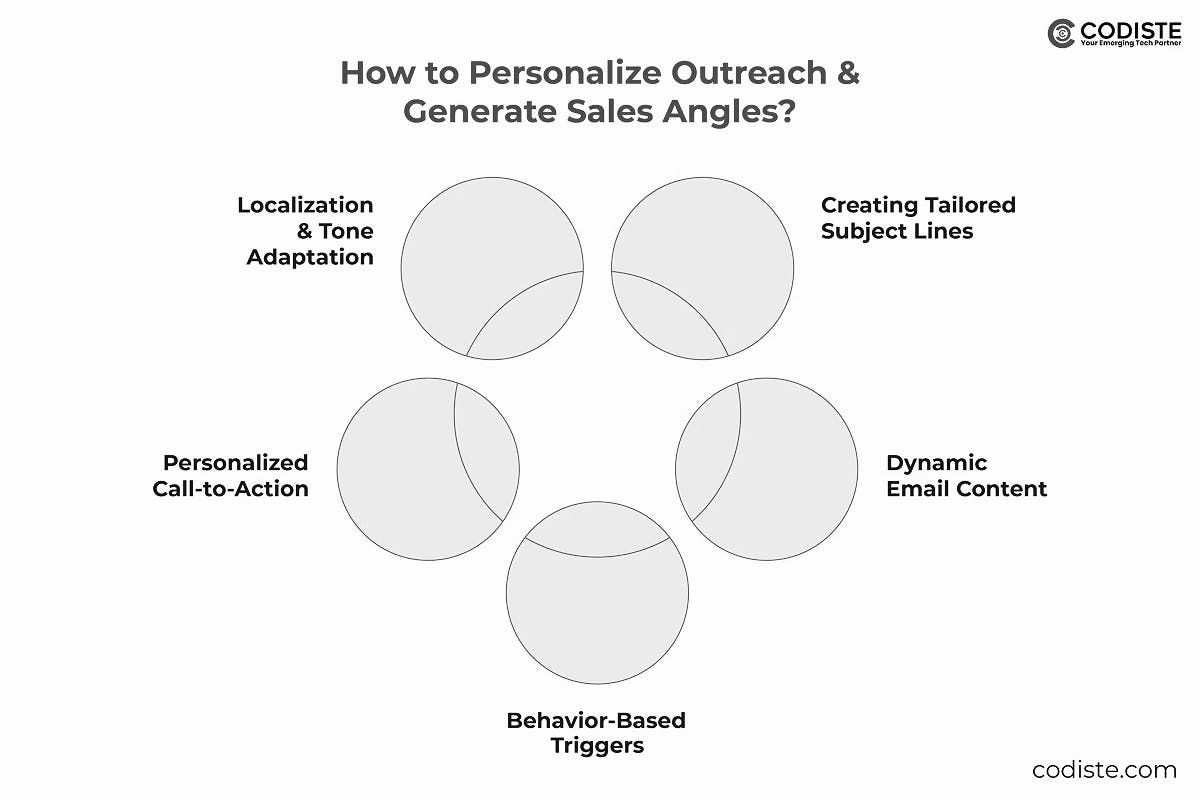
AI learns from past email results and suggests subject lines that are likely to get more opens. It finds the words and phrases that catch attention.
AI tailors parts of the email, including text, images and offers, to each recipient's past interactions and preferences, which makes emails more relevant and engaging.
AI sends emails when people take an action, such as visiting a page or leaving items in a cart. These timely messages remind people of their interest and lift sales.
AI suggests the call to action that fits where each person is in the buying process.
AI adjusts wording and tone to the recipient's language, culture and location, so messages feel natural for each market.
Most email platforms now include AI. Choose based on your CRM, your store platform and your volume.
Only personalise with data you have permission to use, keep consent and unsubscribe records in your CRM, and follow GDPR in Europe and CAN-SPAM in the US.
Looking for smart email marketing software for personalized email campaigns?
Companies need to use more complex artificial intelligence email outreach tactics to get better outcomes.
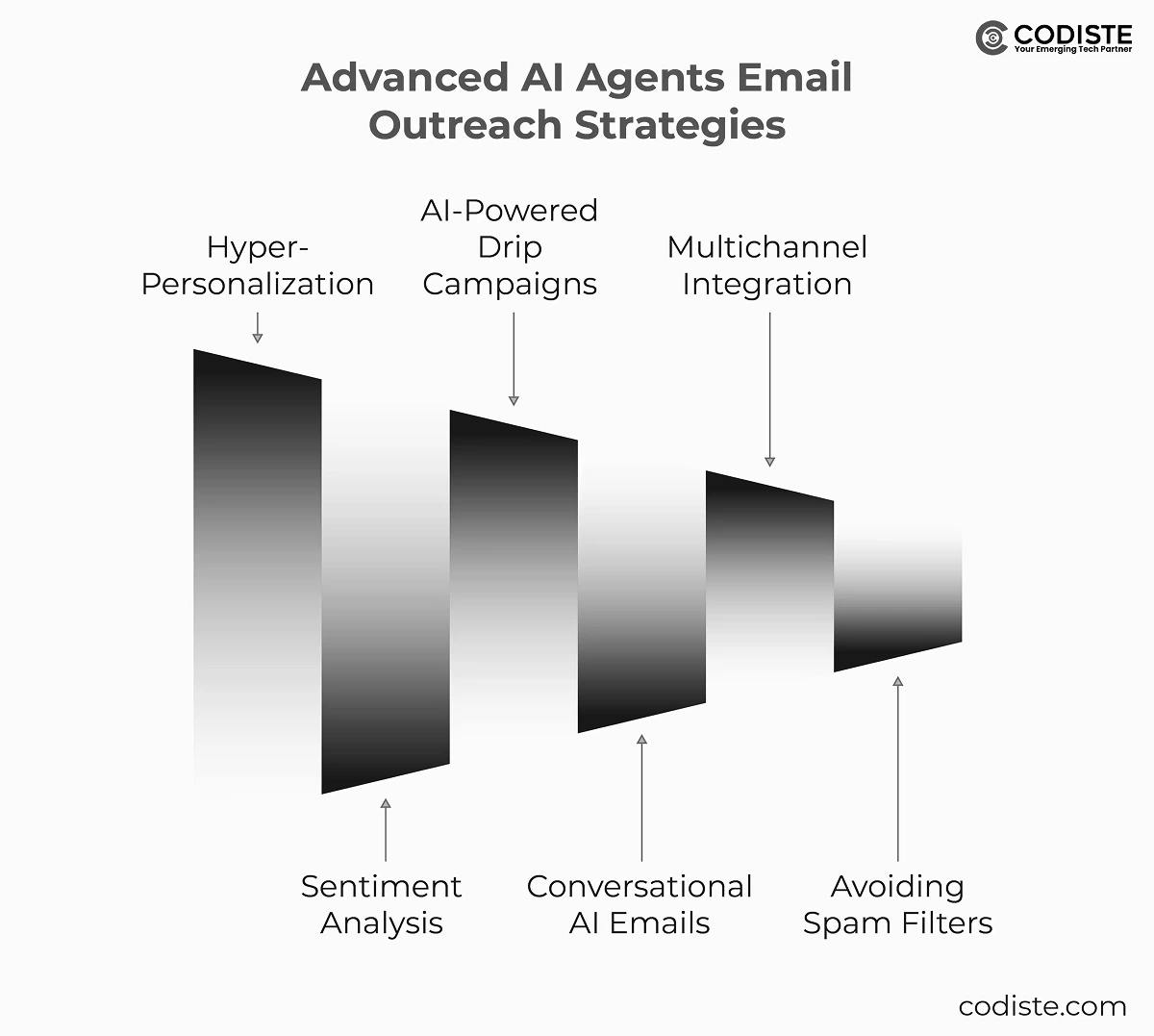
AI keeps customer profiles up to date with real-time data, so every message reflects the latest preferences and behaviour.
AI reads replies and feedback to understand how customers feel, then adjusts the tone and content of future messages.
AI schedules a series of emails that move leads through the sales funnel, sending each one at the moment it is most likely to be read.
Generative AI writes emails in natural, everyday language, which makes them friendlier and easier to reply to.
AI keeps email, social media and other channels in step, so customers get a consistent message wherever they meet your brand.
Delivery depends first on your sender setup: SPF, DKIM and DMARC, a spam complaint rate below 0.3%, and one-click unsubscribe, which Google and Yahoo require for bulk senders since February 2024. AI then helps by sending more relevant emails to people who engage, which keeps complaints low.
Start with the AI features in your current email platform: subject lines, send time and segments. Fix your sender setup, then add triggered emails and automated testing. When campaigns span several systems, an AI email agent can run the routine work while your team approves what goes out.
Codiste is an AI agent development studio that builds AI marketing and email agents for funded founders and CTOs. Talk to us about automating your email programme.

CTO & Co-Founder | Codiste
Nishant builds where ambitious ideas meet production reality. As CTO & Co-Founder at Codiste, he has helped ship 150+ AI systems. Through The CTO Story, he gets technical leaders talking about what rarely makes the slide deck: the trade-offs, failures, and decisions behind what actually ships.


Every great partnership begins with a conversation. Whether you're exploring possibilities or ready to scale, our team of specialists will help you navigate the journey.