500 applicants.
500 screening calls.

"The phone screen is the most useful fifteen minutes in hiring. Nobody has fifteen minutes five hundred times."
12Weeks, brief to rollout
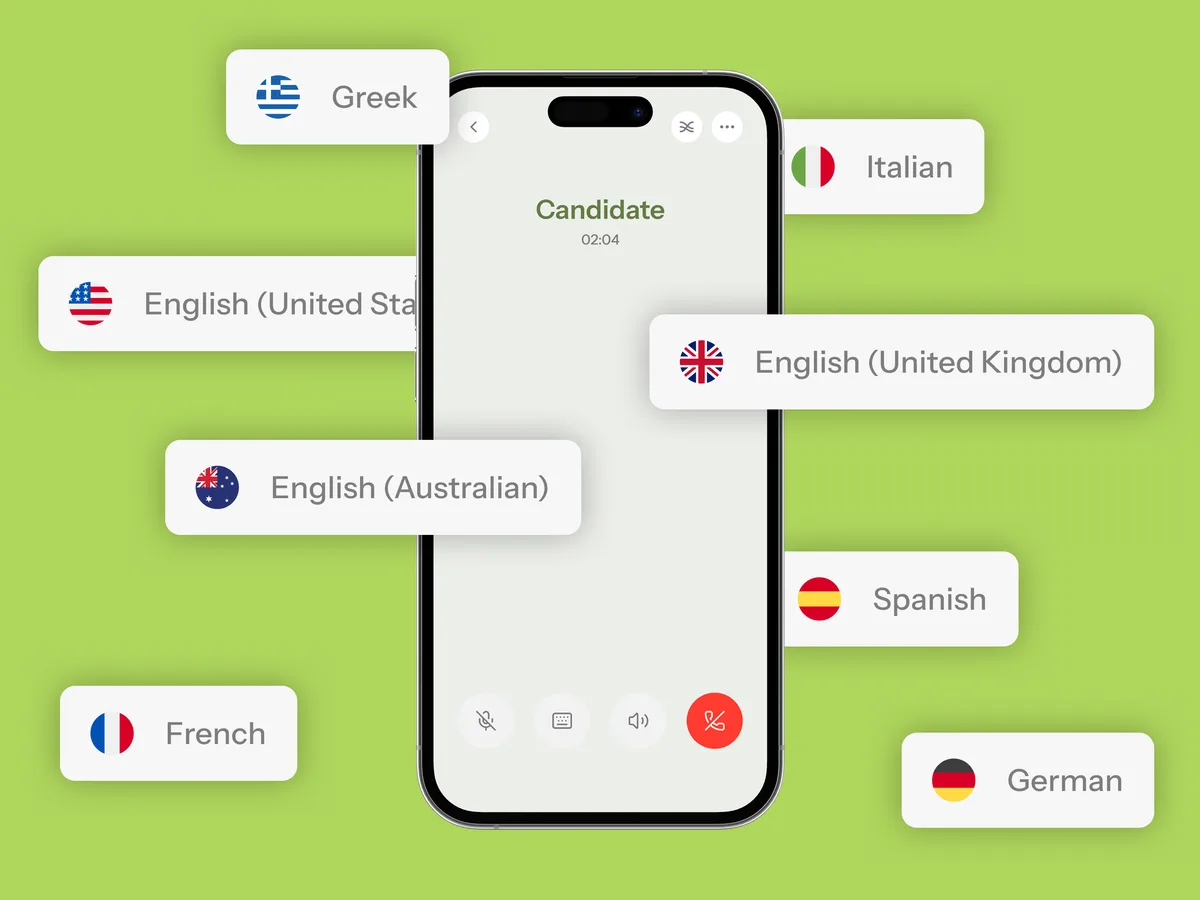
11Languages at launch
40Countries dialled
100%Of applicants offered a call

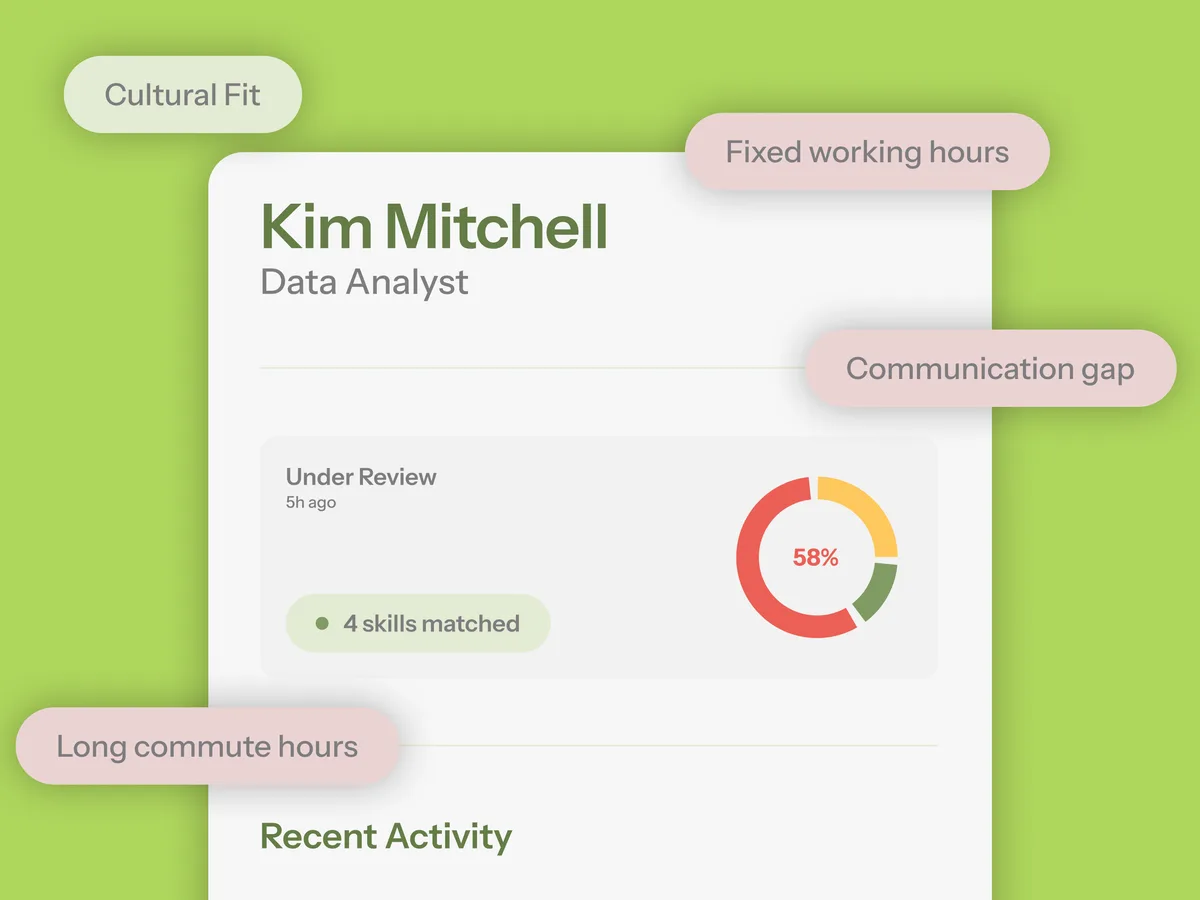
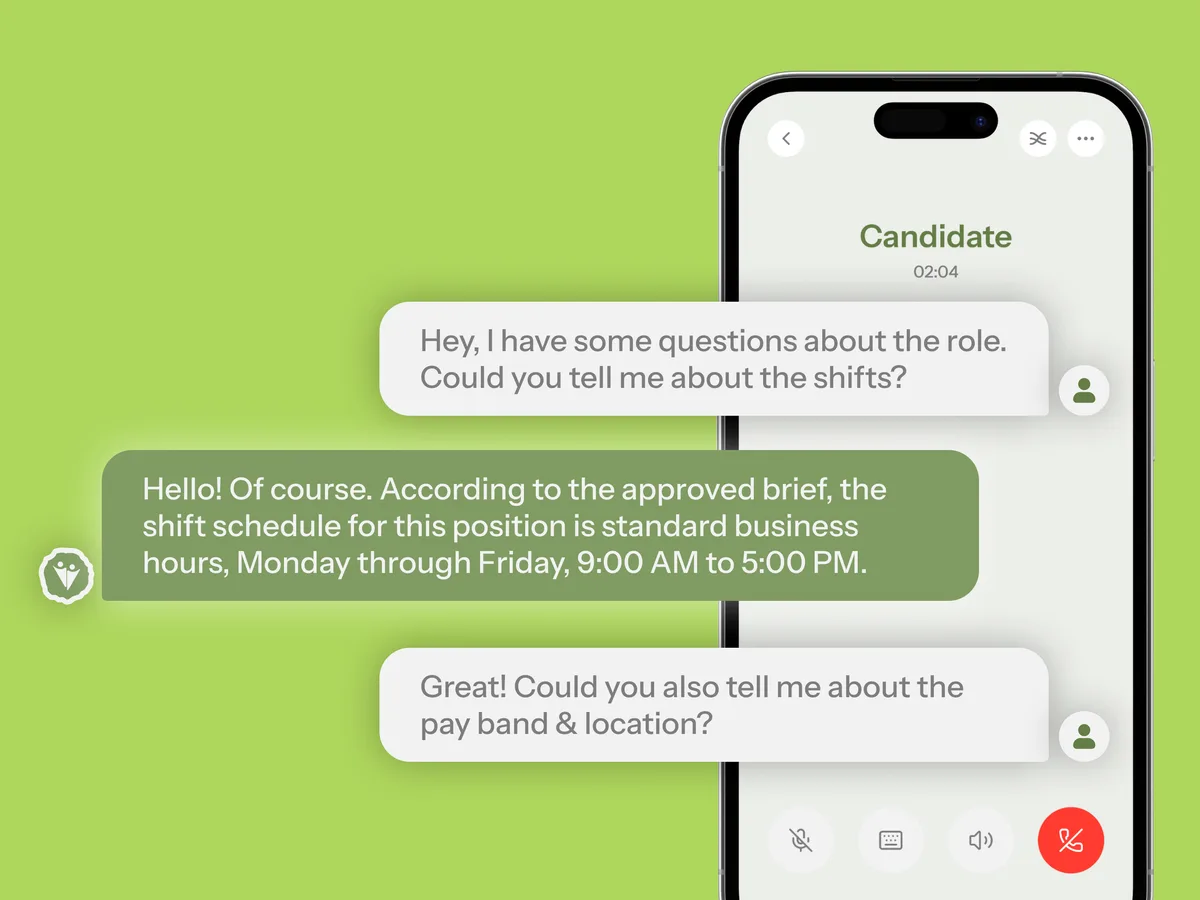
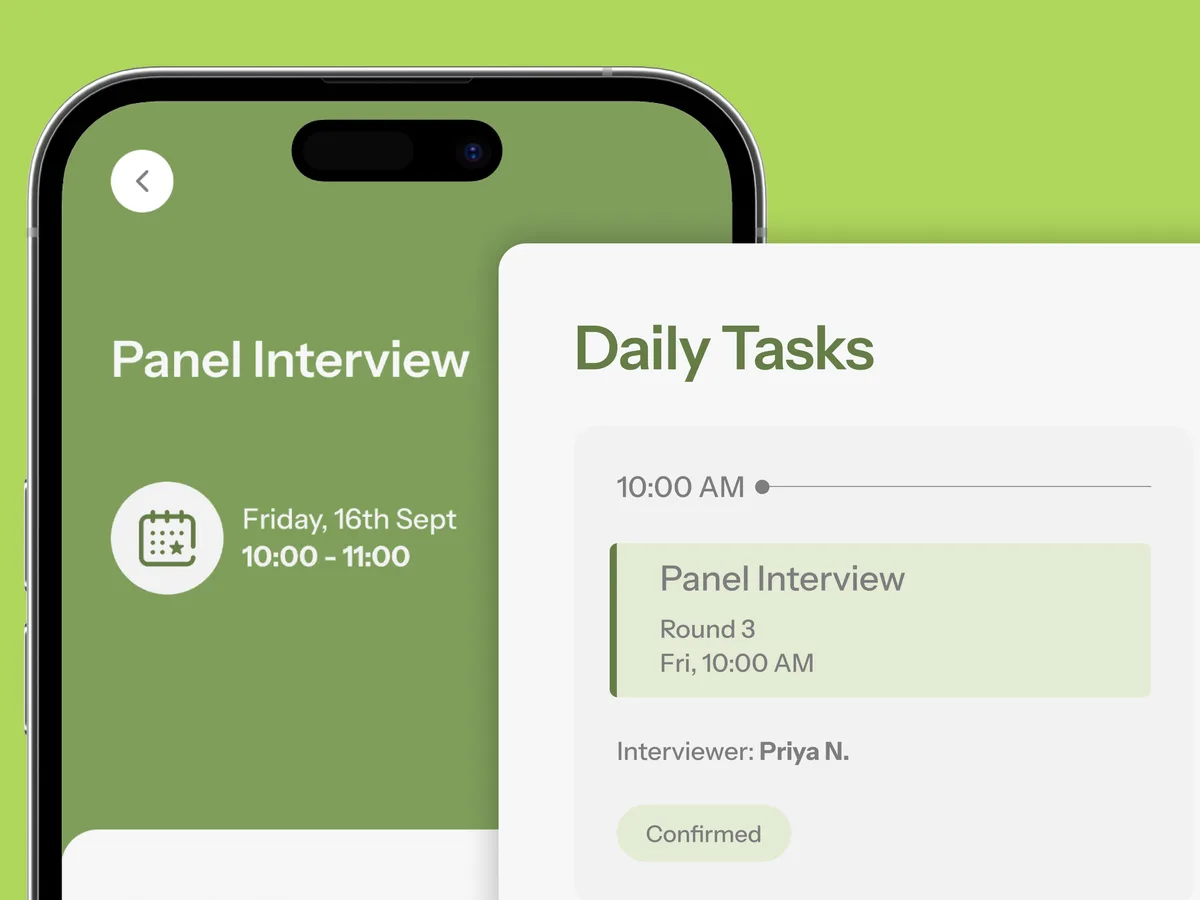
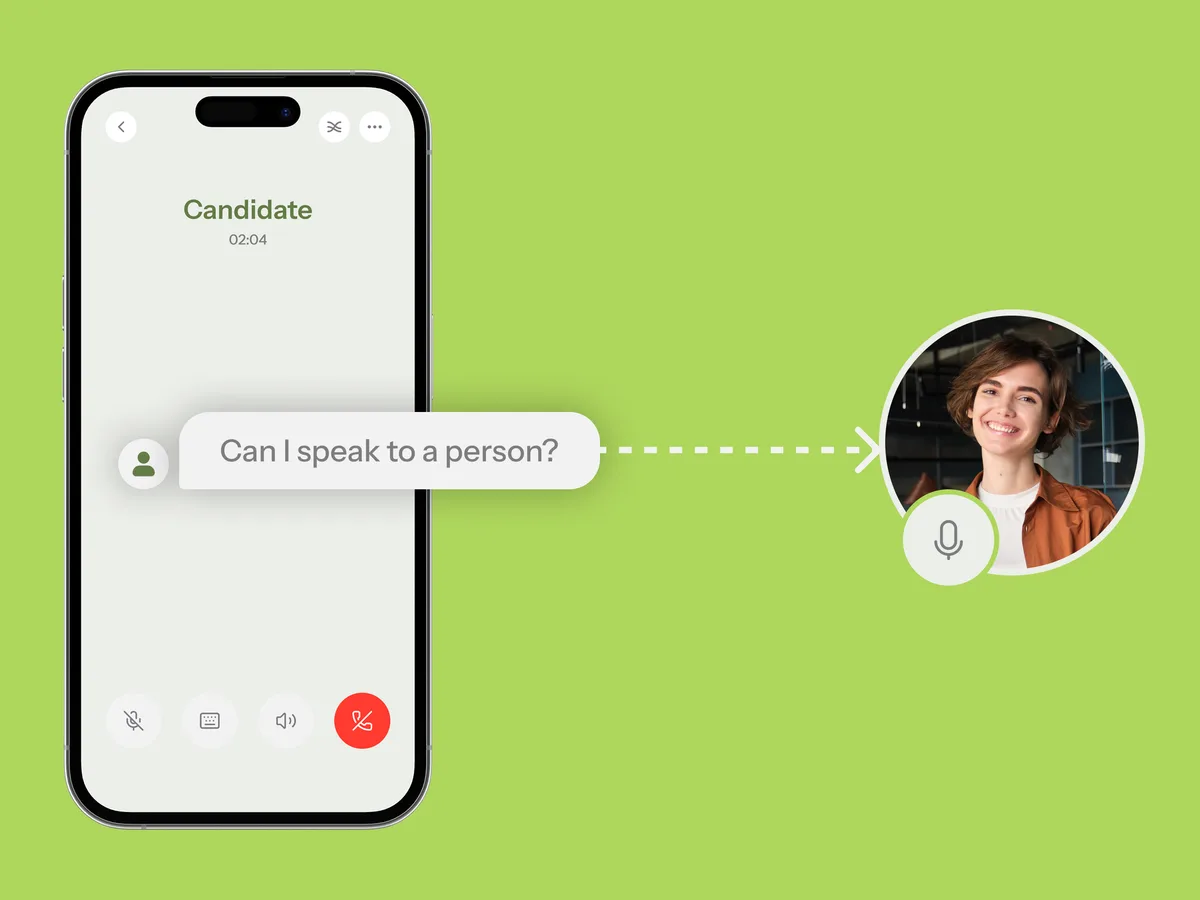
Codiste built the voice layer inside CandiPro ATS.The moment an application lands, it calls the candidate,runs the hiring manager's screening interview as an actual conversation,answers whatever the candidate wants to ask about the job,books the next-round interview before hanging up,and writes the transcript, the scores and the evidence straight onto the record.

A résumé tells you what someone wrote.

A conversation tells you what they can do.

CandiPro is an applicant tracking platform sold to companies that hire at volume - retail chains, logistics operators, BPOs, hospitality groups, contact centres. Their customers were not asking for better search. They were asking for the one step that stops happening the moment a job posting goes live.

CandiPro didn't need a smarter filter.
It needed the interview to scale.

Today

Screening as a bottleneck

The first call goes to the top ten, because ten is what a recruiter can fit in a week. The other four hundred and ninety are judged on a document - so candidates who write well beat candidates who work well.

10 of 500 applicants get a call
With the voice layer

Screening as infrastructure

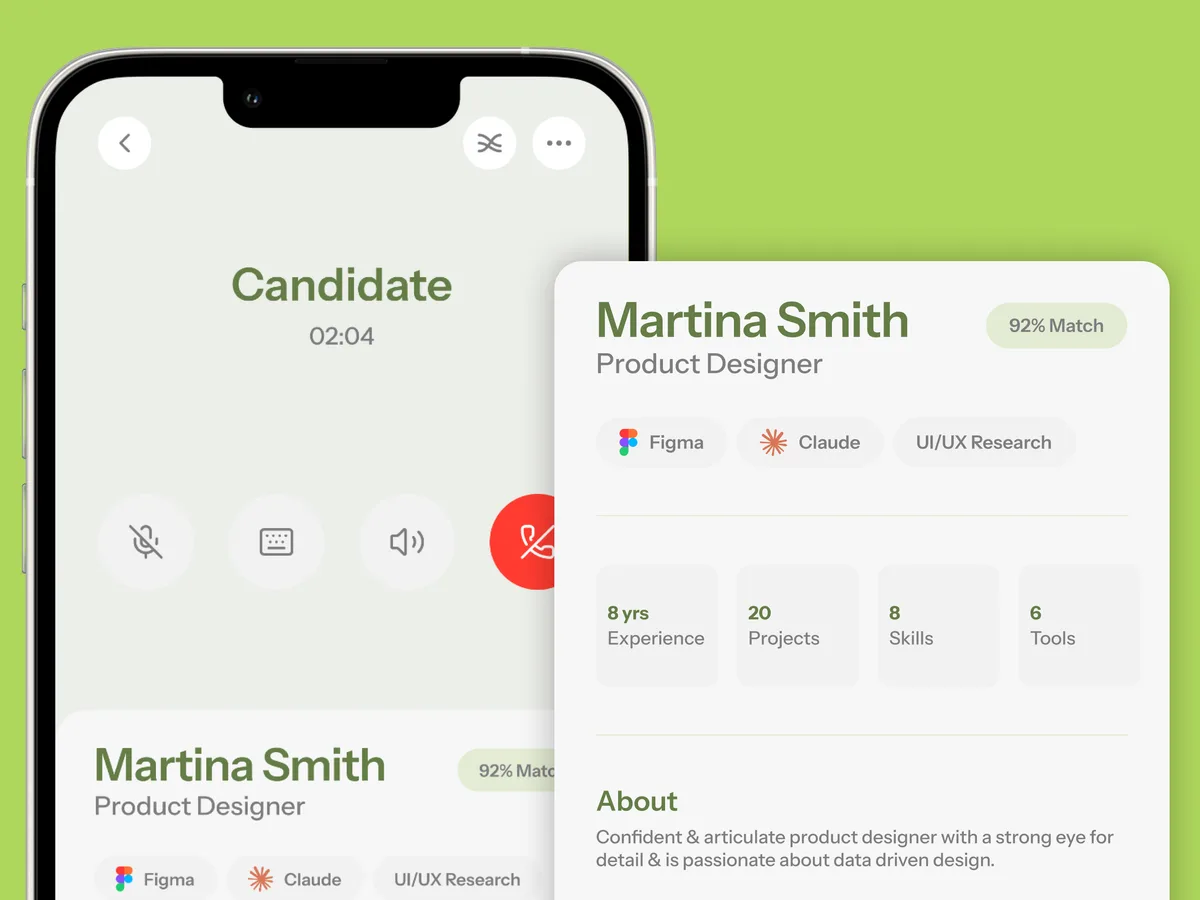
A voice agent calls every applicant within hours, asks what the hiring manager actually cares about, digs in where an answer is thin, and posts a scored, transcribed, evidence-linked screen to the record. The recruiter's first human conversation is now their fifth, not their first.

500 of 500 applicants get a call

Four reasons the first call
almost never happens.

A recruiter can run six to eight decent phone screens a day and still do the rest of their job. One warehouse opening in peak season draws eight hundred applications in seventy-two hours. The arithmetic has only ever had one answer: most people never get a call, and the cut gets made on a document written by someone who has never met them.

The same role, screened by two recruiters, produced two different sets of questions and two incompatible sets of notes. A week later nobody could reconstruct what "not a fit" had meant. Hiring managers were being asked to trust a four-line summary of a conversation nobody recorded, and when a rejected candidate asked why, there was no answer anyone wanted to put in writing.

Candidates are at work when recruiters are at work. Between the first voicemail and a connected call sat three days, two reschedules, and a measurable share of people who took another offer in the gap. Across CandiPro's customer base, time to first contact predicted whether a good applicant stayed in the process better than any other signal in the pipeline.

Everything else in the ATS was structured - parsed work history, stage transitions, scorecards, offer data. The screening call was four lines of free text pasted into a notes field, hours later, from memory. It could not be searched, compared, audited, or improved, and when a role reopened six months on, the fact that a candidate had already been screened was effectively lost.

Dial. Converse. Write back.

Three stages between an application landing and a recruiter having a screened candidate. Everything else Codiste built exists to make these three reliable.

The call places itself

The moment an application clears eligibility, CandiPro dials inside the candidate's local window, not the recruiter's. A thousand calls run in parallel without a queue forming.

Timezone-aware diallingDecay retry + voicemailParallel at burst volume

A conversation, not an IVR

The hiring manager's criteria become the interview plan once, at requisition time. When an answer is vague the agent follows up: "I led a team" gets "how many people, and for how long?"

Per-requisition planAdaptive follow-upBarge-in & interrupt

The record writes itself

Before the line drops, the candidate record already holds the transcript, the per-criterion scores and the quoted lines behind each one. Nothing is retyped.

Transcript + evidenceScored to planStraight into the pipeline

Six things it does
while the line is open.

The live screening call and the candidate record it is writing
Knockout answers confirmed in conversation and stored as fields
The candidate's own questions answered from the approved brief
The next-round interview booked onto the interviewer's calendar
The screening call running in the candidate's own language
A warm handover to a recruiter, transcript carried across

The agent screens.
The recruiter decides.

An automated hiring decision is a legal problem in most of the markets CandiPro sells into, and a bad product decision in all of them. The voice layer is built so it never makes one.

No automatic rejection.

It screens, scores and recommends. Every negative outcome passes through a named human.

Disclosure, then consent.

The candidate is told, the call is recorded, and the script varies by jurisdiction.

Voice is never scored.

Accent, fluency, hesitation and audio quality are excluded from every interview plan by design.

Protected attributes excluded.

Age, gender, family status, health and nationality are never asked and never scored.

Every screen is reconstructable.

Plan version, prompts, models, audio and evidence are stored per call, replayable exactly.

The agent never invents.

Outside the approved brief it says it doesn't know and flags the question.

The tools under the hood.

OpenAI
Deepgram
ElevenLabs
Twilio
Node.js
NestJS
Next.js
React
PostgreSQL
Redis
Amazon S3
Google Calendar
WebRTC / SIP
Kubernetes
SendGrid

Want a voice layer inside your product - screening, support, onboarding or sales?

The numbers behind it.

Measured against the manual phone-screening process the voice layer replaces, across CandiPro's high-volume hiring customers.

100%

Applicants offered a screening call

The call stops being a reward for surviving the résumé cut and becomes the first thing that happens to everyone who applies.

< 6 hrs

Application to completed screen

The window in which a good candidate is still available and still interested.

Screening capacity per recruiter

Six to eight phone screens a day become a morning spent reading screens that already happened.

< 1.1s

Median turn latency

Streaming recognition and synthesis keep replies inside conversational rhythm rather than just after it.

2.4×

More candidates reaching interview

From the same applicant volume, with no change to the criteria.

31%

Screens completed outside office hours

Almost all from candidates working a shift during the recruiter's day.

Built for the teams where the call
is the bottleneck.

01

Retail, hospitality and seasonal hiring

Hundreds of openings that all start on the same date, applicants who apply to six employers in one afternoon, and a hiring window measured in days. Availability, shift fit and right to work confirmed in a three-minute call instead of a week of voicemails.

02

Logistics, warehousing and manufacturing

Certifications, licences, shift tolerance and commute distance verified in conversation and stored as structured fields, so a candidate is never discovered to be ineligible after the offer has gone out.

03

BPO and contact centres

The screen and the job are the same skill. Communication, comprehension and composure are assessed in the medium the role is actually performed in, against criteria the client account has approved, with the audio attached for the client to hear.

04

Multi-country enterprise hiring

One interview plan, eleven languages, forty countries, and a consent script that changes with the jurisdiction rather than with whoever is dialling. Every screen is recorded, scored and reconstructable in every market at once.

How Codiste shipped it
in twelve weeks.

The scope was narrow and fixed on day one - one call type, and one decision the agent is not allowed to make. That is what made a three-month build possible without cutting the compliance work.

Weeks 01-03

Interview design and compliance

Every screening question mapped and sorted into scored, verified-factual, or out of scope. Disclosure and consent scripts drafted per jurisdiction. The exclusion list - voice, accent, protected attributes - written into the scoring contract before any pipeline code existed.

Weeks 04-06

Voice pipeline

Telephony out, streaming recognition, intent and interview state, grounded generation, streaming synthesis, barge-in, silence handling, disconnect and resume. Wired end to end inside CandiPro's existing shell and latency-profiled stage by stage.

Weeks 07-09

Write-back and scheduling

Transcript, evidence extraction, per-criterion scoring, structured eligibility fields, audio retention, calendar integration for next-round booking, and the recruiter override path - landing on the existing candidate record, not a new silo.

Weeks 10-12

Hardening and handover

Accent and noise robustness across all eleven languages, adversarial testing against evasive answers, burst load testing against a simulated job-board spike, retention and erasure enforcement, then rollout behind per-tenant feature flags.

Looking to put a voice layer inside your product?
Codiste can build it.

The screening call stopped being the thing you skip.It became the thing that happens first.