
How do you make a tin mine liquid?
Orechi turns a working mine's equipment into on-chain micro-pools, so crypto capital can fund a bulldozer instead of a bank loan, and earn from the ore it moves.
What is the project about?
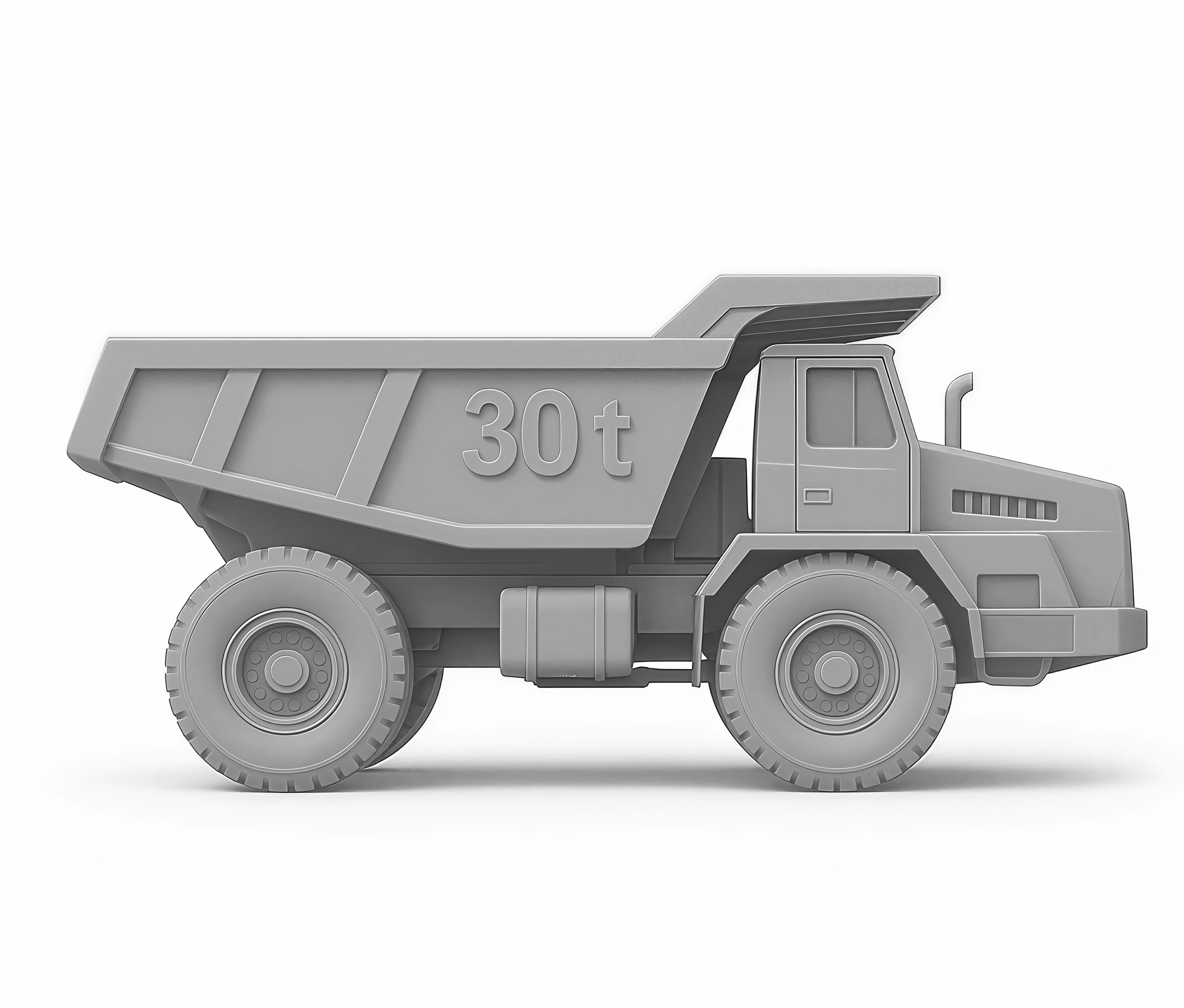
Orechi is a real-world-asset tokenization platform built around the Nyamasaka Tin Mine, Uganda's largest tin deposit and an already-producing, revenue-generating operation. Rather than tokenizing a promise, it tokenizes a physical need: the equipment a working mine buys to keep producing, bulldozers, haulage trucks, and solar installations.
Codiste built the infrastructure that turns that need into an investable pool. Instead of financing a bulldozer through a slow bank loan, the mine lets crypto-native investors fund that exact asset directly, gaining working capital without new debt while investors earn a claim on the yield it generates, paid in USDT and RWD.
Where real-world asset tokenization usually breaks down.
The capital gap between mines and markets
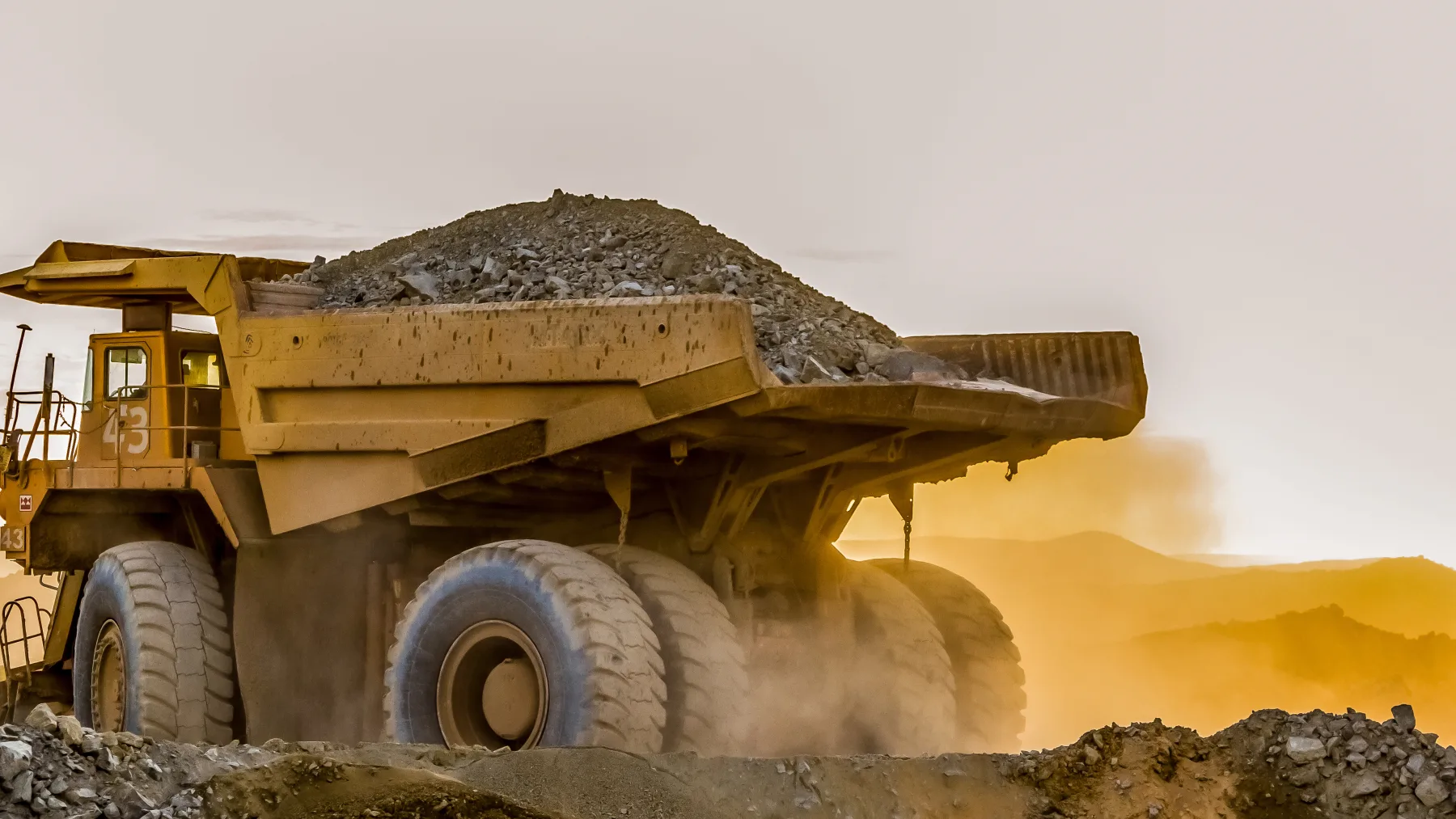
Producing mines in emerging markets sit on real, cash-flowing assets, but the equipment that keeps them running is financed through slow, expensive bank debt, or not financed at all. Growth stalls waiting on capital that has no reason to move that slowly.
Trust deficit in tokenized assets
Most "asset-backed" crypto products point at a PDF, not a mine. Investors have no reliable way to verify that the underlying asset exists, is audited, or is actually producing revenue, so RWA tokens trade on narrative instead of proof.
Yield with no real source
DeFi yield is frequently subsidized by token emissions rather than earned from anything in the physical world. When the emissions stop, the yield stops, because there was never an operating asset behind it.
No path from investment to ownership
Traditional mining finance offers debt or nothing. There's rarely a structure that lets a smaller investor fund one specific asset, like a single bulldozer, and hold a transparent, exit-able claim on what that asset earns.
An investable layer over a producing mine.
Codiste engineered Orechi as an integrated tokenization stack connecting mine operations, equipment financing, and on-chain investor accounting into a single transparent system.
Micro-Pool Financing Engine
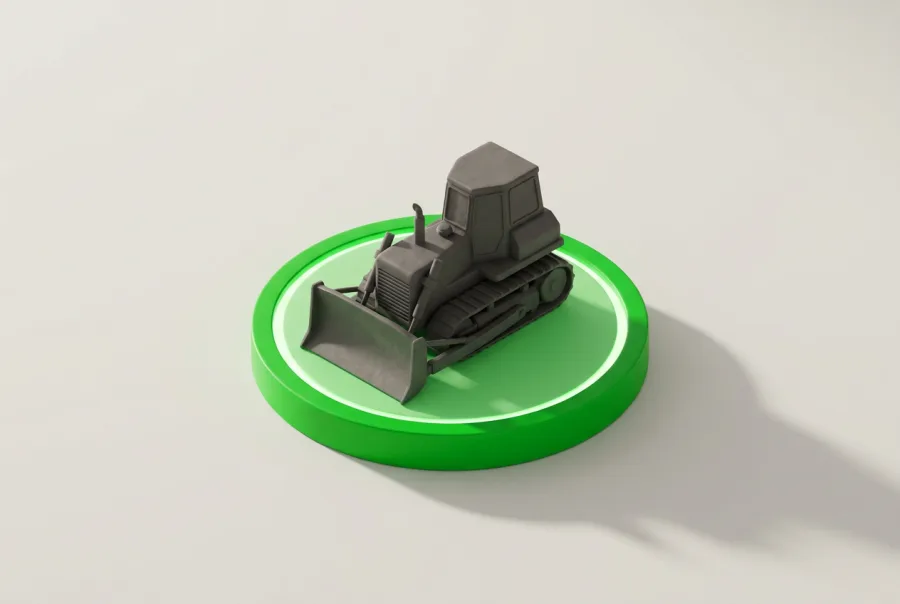
"Fund one bulldozer, not one mine."
Each pool is scoped to a specific, named piece of equipment, a bulldozer, a haulage truck, a solar array, with its own funding target, deployment timeline, and yield terms. Capital is ring-fenced per pool, so returns are traceable to the asset that earned them.

Dual-Yield Payout System
"Returns paid in USDT and RWD, not promises."
Investor returns are calculated against the equipment's production output and off-take agreements, then distributed automatically in USDT for stable, spendable yield and RWD for exposure to platform growth. Target range: 10-20% APY.
Proof-of-Reserve & Audit Layer
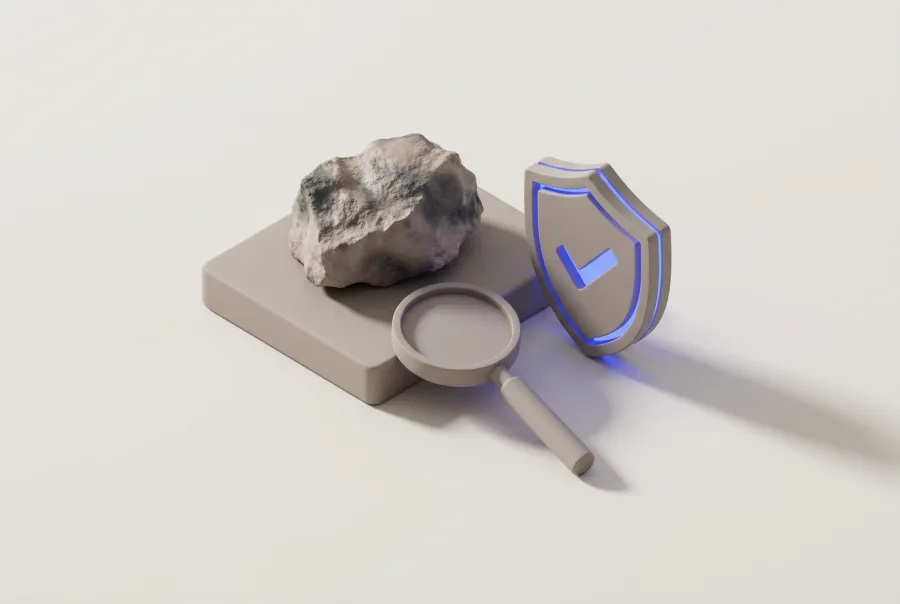
"Every pool traces back to an audited, operating asset."
Reserve data, off-take agreements, and third-party geological audits are attached to each pool and verifiable on-chain, so a claim of "audited reserves" is a link, not a slogan.

Lifecycle & Exit Management
"Claim the rental, or exit whenever the pool allows it."
Investors track their position from funding through deployment to production, with a built-in path to either continue holding for ongoing yield or exit their position once the pool's lock-up terms are met.
From bulldozers to stablecoins.
Four steps that turn a funding gap on the mine site into a yield position in an investor's wallet.
Pick a pool
Browse live equipment pools, each tied to a specific asset the mine needs next, and review its funding target, projected yield, and timeline before committing capital.
Earn while we build
Once a pool is funded, the equipment is purchased and deployed. Investors start earning from the point the asset enters production, not from the point they clicked "invest."
Claim the rental
As the equipment generates revenue for the mine, that return is distributed to pool investors in USDT and RWD on a recurring basis, tracked in real time on the investor dashboard.
Exit or hold
Once a pool's minimum term is met, investors choose: keep holding for continued yield, or exit their position and redeploy into the next pool.
Built for real assets, not just real-looking assets.
Pool Marketplace
Browse active and upcoming equipment pools with funding targets, asset specs, and projected yield surfaced up front, no digging through a whitepaper to find the actual terms.
Live Yield Dashboard
Real-time tracking of USDT and RWD accrual per pool, with payout history and the next projected distribution.
Asset Lifecycle Tracker
A visual trail from funded to deployed to producing to rental live, so an investor sees exactly what stage their capital is at.
RWD Tokenomics Engine
Utility token mechanics tying RWD demand to actual platform activity and yield claims, not speculative circulation.
Scarcity-Drop Mechanics
Time-boxed allocation windows for new pools, giving early participants priority access without an unlimited, un-scarce raise.
Compliance & Partner Verification
ESG certification, UNIDO alignment, and audit partnerships surfaced as verifiable badges against each pool, not marketing copy.
Proof of trust, not proof of hype.
Orechi's core design constraint was simple: nothing on the platform should require the investor to just believe it. Every claim is backed by a document, a partner, or an on-chain record.
“This isn't a startup pitch deck. This is a huge, operating tin mine, tokenized one piece of equipment at a time.”
Who Orechi was built for.
Crypto-Native Yield Investors
Seeking real-world-backed returns instead of emissions-funded APY that disappears when incentives dry up.
ESG & Impact Investors
Looking for on-chain exposure to responsible resource extraction with verifiable sustainability credentials.
Mining Operators
Facilities needing equipment financing without taking on traditional bank debt or diluting ownership.
Regional Development Stakeholders
Institutions and universities in Uganda's minerals sector seeking transparent, crypto-native capital channels into local industry.
From tokenomics to launch-ready platform.
Structuring & Tokenomics
Legal structuring of pool mechanics, RWD tokenomics design, and yield-distribution modeling against real mine production data.
Pool & Investment Engine
Core build of the micro-pool marketplace, funding flows, and per-pool capital ring-fencing logic.
On-Chain Audit & Reserve Layer
Integration of reserve data, off-take agreements, and third-party audit records into a verifiable, on-chain proof-of-reserve layer.
Payout Automation & Launch Mechanics
Smart contract build for automated USDT/RWD distribution, investor dashboard, and the scarcity-drop allocation system for the platform's first live pools.
The tools under the hood.
A production stack chosen for verifiability - on-chain proof at the base, a conventional application layer on top, so investors get crypto-native settlement without crypto-native fragility.
Smart Contract Layer


Proof & Storage
Application & Data

Interface & Cloud

Tokenize Your Real-World Asset
From proof-of-reserve to automated yield, Codiste builds the on-chain infrastructure that makes physical assets investable. Let's scope yours.
Let's discuss your business requirement!
The numbers behind it.
Orechi is what real-world-asset tokenization looks like when the “real world” part is load-bearing: a producing mine, audited reserves, and equipment that earns from day one of deployment. Codiste's role was to make that legibility possible on-chain, turning a mine's ordinary capital-expenditure cycle into a transparent, yield-generating investment product without asking investors to take anything on faith.